You Didn't Know You Were Getting It for Free Until They Started Charging
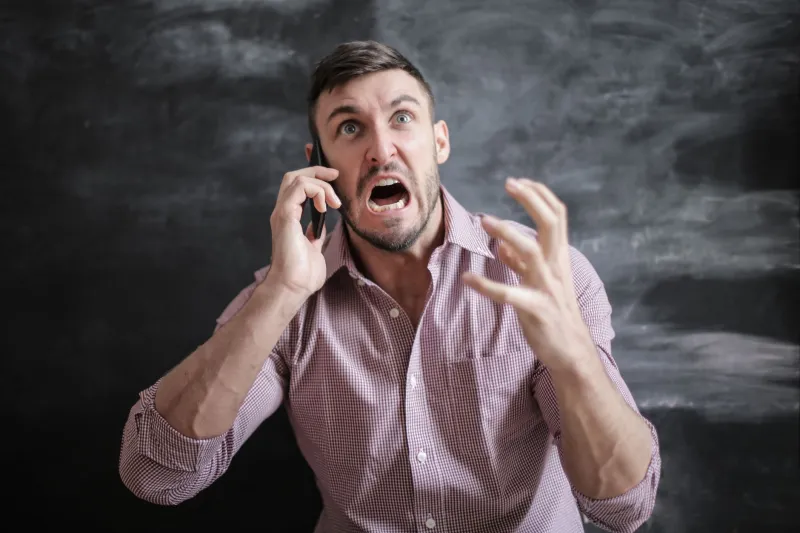
It starts with a notification. Or maybe a pinned post. Something along the lines of "exciting news — I'm launching my Patreon" or "exclusive content is now live on my subscription tier." And before you've even finished reading it, something tightens in your chest. Not quite anger. Not quite sadness. Just this weird, low-grade sense of betrayal that you can't fully justify — because you know, logically, that this person owes you nothing.
So why does it feel like they just handed you a bill for a friendship?
The Relationship That Was Never Mutual (But Felt Like It Was)
Here's the uncomfortable truth that nobody really wants to say out loud: you were never actually friends with this person. You watched their videos, you laughed at their jokes, you followed along as they moved apartments or went through a breakup or found their signature aesthetic. You felt like you knew them. And in a very real, very human sense, you did — just not in a way that went both directions.
That's the core of what researchers call a parasocial relationship. It's a one-way emotional bond where the audience invests genuine feelings into someone who, at best, knows them as a username or an avatar in a comment section. These connections aren't fake or shallow — the emotions are completely real. But they exist inside a specific context: the idea that this person's presence in your life was freely given.
When that changes, the emotional math stops adding up.
Free Access Felt Like Trust
There's something about the way creator culture developed over the past decade that accidentally trained audiences to see free content as a kind of intimacy. YouTube, TikTok, Instagram — these platforms built their entire model on the idea that the barrier to entry was zero. You showed up, you watched, and the creator kept creating. The exchange felt personal, even when it was happening at scale.
Over time, that free access started to feel less like a business arrangement and more like an open-door policy. Like a friend who always picks up when you call. The moment they put that content behind a paywall, it doesn't feel like a pricing decision — it feels like they locked the door.
And now you're standing outside, wondering what changed.
The Money Isn't Actually the Problem
Here's where it gets interesting. For a lot of people, the frustration isn't really about the dollar amount. Ten bucks a month is less than a streaming service, less than a fast food combo, less than basically anything you'd spend without a second thought. The math isn't the issue.
The issue is what paying means. The moment money enters the picture, the relationship gets reclassified. It shifts from something that felt personal and organic into something transactional. And once you're paying, you're no longer a loyal fan — you're a customer. That distinction hits differently than most people expect.
It also raises a question you maybe never wanted to ask: Was this always a transaction? Was I always the product? That kind of retroactive reframing can make years of genuine connection feel suddenly hollow, even if it wasn't.
Creators Are People Running Businesses — Even When They Don't Look Like It
The other side of this conversation is worth sitting with for a minute. Creators — especially the ones who built audiences through raw, unfiltered, deeply personal content — often didn't start out thinking of themselves as entrepreneurs. They were just making stuff. Sharing their lives. Figuring it out in public.
But at some point, the reality of sustainability kicks in. Ad revenue is unpredictable. Brand deals come with strings. Burnout is real, and so are bills. Launching a subscription tier or a paid community isn't a betrayal — it's often a survival strategy. It's how someone who built something meaningful gets to keep building it without running themselves into the ground.
The creators who are most likely to go premium aren't the ones who stopped caring about their audience. They're often the ones who care enough to want to stick around long-term.
Why This Hits Harder With Certain Creators
Not every paywall announcement lands the same way. If a celebrity with a massive production team launches a paid newsletter, most people shrug. But when it's the person who used to film from their car, or who cried on camera about their anxiety, or who built their whole brand around being accessible — that's when the reaction gets visceral.
The more intimate the content, the more personal the sting. Vulnerability is currency in creator culture, and audiences who were given access to someone's most unguarded moments tend to feel like they've earned a kind of closeness that money shouldn't be able to replicate. When a subscription tier suddenly becomes the price of admission to that same energy, it can feel like the intimacy itself was being sold all along.
That's a complicated thing to process, especially when you genuinely care about the person on the other side of the screen.
What Your Reaction Is Actually Telling You
If you've ever felt that particular sting when a creator you love announces a paid tier, it's worth pausing on the feeling instead of just reacting to it. Because that discomfort is actually revealing something about how you've been showing up in digital spaces — and what you've been quietly expecting in return.
We've built a culture where parasocial bonds are completely normalized, where following someone's life for years feels like a legitimate form of relationship. And in many ways, it is. But it's a relationship that was always operating on someone else's terms, inside someone else's content strategy, on a platform designed to make it feel effortless and free.
The paywall didn't change the relationship. It just made the structure visible.
So Now What?
You've got a few options. You can subscribe and consciously choose to support someone whose work has genuinely meant something to you — not out of obligation, but out of appreciation. You can decide the free content is enough and let the paid tier exist without taking it personally. Or you can step back entirely, which is also a completely valid choice.
What you probably shouldn't do is let the announcement rewrite your entire history with that creator. The laughs were real. The moments that hit you at the right time were real. A pricing decision doesn't undo any of that.
But maybe it does remind you to hold these digital relationships a little more loosely — not because they don't matter, but because the version of them you fell for was always shaped, at least in part, by the fact that it cost you nothing to stay.