You Didn't Sign Up for This Version of Them
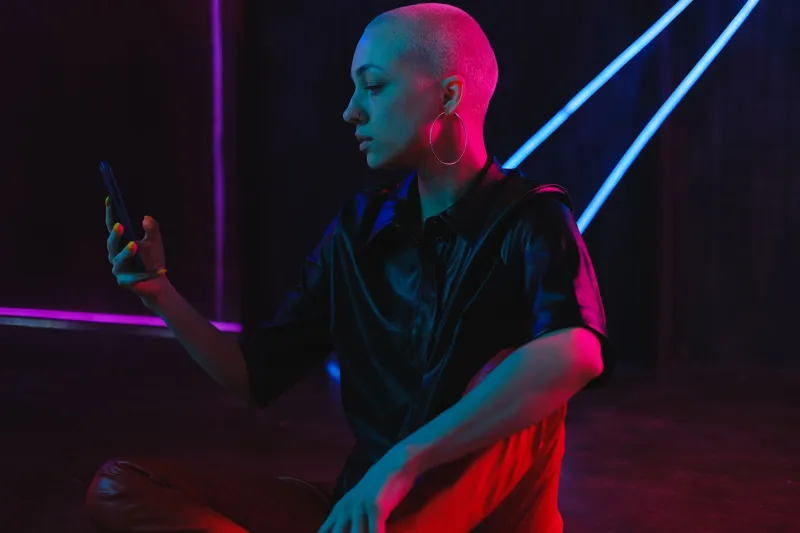
One day they're posting cozy cottage-core vlogs with soft lighting and indie folk playlists. The next, they've shaved their head, signed with a talent agency, and are now doing sponsored content for energy drinks in a sleek minimalist studio. Same person. Completely different vibe. And somehow, you're sitting there feeling genuinely hurt.
Welcome to the parasocial breakup — one of the most disorienting emotional experiences of the digital age.
When a Feed Becomes a Relationship
Let's back up a second. The reason a creator's rebrand stings so hard is because, over time, watching someone's content stops feeling like passive consumption and starts feeling like an actual connection. You've seen them cry over a bad day. You watched them move apartments. You were there when they got their dog. You've spent hours with this person — more time, honestly, than you spend with some of your real-life friends.
Psychologists call this a parasocial relationship: a one-sided emotional bond where the audience invests genuine feelings into someone who doesn't know they exist. It's not delusion — it's just how human brains are wired. We're built to form attachments with people we observe regularly, and our nervous systems don't always distinguish between a friend across the table and a creator we've been watching three times a week for two years.
So when that creator suddenly pivots — drops the aesthetic you loved, abandons the format that made you feel seen, or jumps ship to a whole new platform — your brain processes it the way it processes any relationship shift. Something changed. Something was lost. And it hurts.
The Entitlement Question Nobody Wants to Touch
Here's where things get a little uncomfortable: a big part of why rebrands feel like betrayals is that audiences develop a quiet, often unconscious sense of ownership over creators.
You showed up. You liked every video. You defended them in the comments when someone was being unfair. You bought the merch. In your mind — even if you'd never say it out loud — you helped build this person's platform. And now they've gone and changed the product without asking you.
But here's the thing: they never owed you a specific version of themselves.
Creators are people, not characters. They grow, they get bored, they burn out, they discover new passions. The lifestyle YouTuber who pivoted to finance content didn't betray you — they just stopped performing a version of themselves that maybe wasn't fully authentic to begin with. The musician who went from bedroom pop to hyperpop didn't abandon their art; they evolved it.
The entitlement question is uncomfortable because it forces fans to examine what they were actually attached to. Was it the person — or the persona they constructed for the camera?
The Rebrand as a Grief Trigger
Grief sounds like a dramatic word to use here, but it's actually pretty accurate. When a creator you love undergoes a major reinvention, you're mourning something real: the loss of a routine, a comfort, a specific emotional experience that their content used to provide.
Maybe their old videos were your go-to when you were anxious. Maybe their humor was exactly the kind of dumb, low-stakes fun you needed after a long week. Whatever it was, that specific thing is gone now. And even if the new content is technically good — even if other people love it — it doesn't fill the same hole.
That's not irrational. That's just loss.
The tricky part is that this grief doesn't come with any social legitimacy. You can't exactly tell your coworkers you're bummed out because a YouTuber changed their aesthetic. There's no language for it, no ritual, no support structure. So it just kind of sits there, unprocessed, which is probably why it often comes out sideways — as anger in the comments, as bitter posts about how creators "sold out," as weirdly personal attacks on someone's new direction.
What Creators Get Wrong About Transitions
To be fair, creators don't always make these shifts easy on their audiences. Some rebrands are handled thoughtfully — the creator brings their community along for the ride, explains what's changing and why, gives people time to adjust. Others are jarring, sudden, and feel almost deliberately alienating.
A creator who spends years building intimacy with an audience and then pivots cold turkey without any acknowledgment is essentially ending the relationship without a conversation. And yeah, they don't owe anyone an explanation — but if you've spent years telling your audience that you see them, that they matter to you, ghosting that dynamic isn't just bad PR. It's a little unkind.
The creators who navigate rebrands best tend to do a few things well: they're transparent about what's shifting and why, they give credit to the community they're leaving behind, and they don't pretend the old era didn't exist. Erasing your own archive and refusing to acknowledge your roots doesn't make you look evolved. It makes you look embarrassed — and your long-time fans feel that.
How to Actually Process This Without Losing It in the Comments
If you've found yourself genuinely stung by a creator's reinvention, a few reframes might help.
First, let yourself feel it without judgment. You're not weird for being sad. The connection was real, even if it was one-directional.
Second, recognize the difference between the person and the content. You can miss the old format without needing to villainize the creator for changing. Those are two separate things.
Third — and this one's worth sitting with — ask yourself what the old content was giving you that you're not getting elsewhere. Because sometimes a creator's rebrand is actually a nudge to find new voices, explore new corners of the internet, and build a feed that reflects who you're becoming, not just who you were when you first hit subscribe.
And if the new direction genuinely isn't for you? Unfollow without a manifesto. You don't have to perform your disappointment for an audience.
The Bigger Picture
The parasocial breakup is, in a weird way, one of the most distinctly modern emotional experiences we have. It's a product of an era where content is intimate, parasocial bonds are normalized, and creators are simultaneously public figures and perceived friends.
Neither fans nor creators are entirely wrong in how they feel during these transitions. Audiences are allowed to mourn what they lost. Creators are allowed to grow. The friction happens when both sides forget that the relationship — as real as it felt — was always a little asymmetrical.
Your feed is yours. It should reflect your world, your culture, your interests at any given moment. Sometimes that means letting go of a creator who's moved on. And sometimes it means being open enough to follow them into whatever they're becoming next.
Either way, you'll be okay. The algorithm will find you something new.