Loving From a Distance: The Emotional Toll of Following Creators Through Their Worst Moments
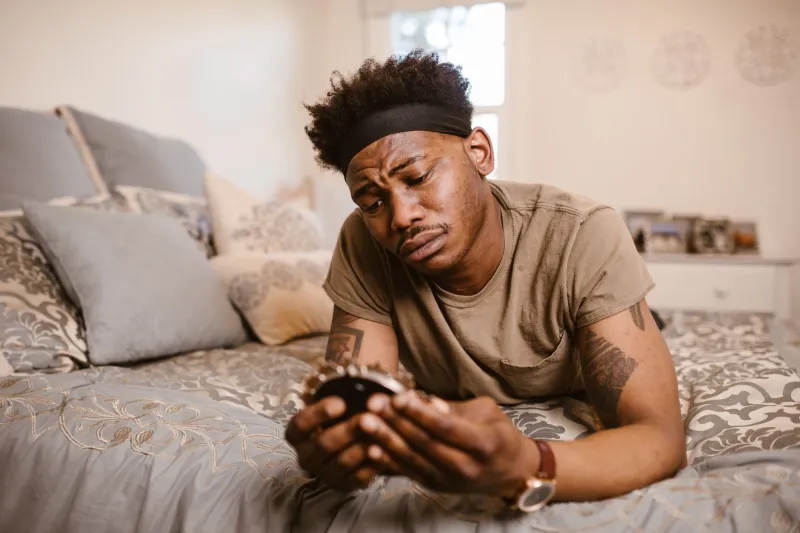
Something weird happens when a creator you've watched for years suddenly becomes the main character of their own public meltdown. The comment sections flood. Twitter threads spiral into 40-part analyses. Discord servers that used to debate episode rankings are now fielding full-on emotional support sessions. And somewhere in the middle of all that chaos, you're sitting there asking yourself: why does this feel so personal?
Spoiler: it's not just you. But it's also worth asking — at what point does loving a creator from the other side of a screen become something that's quietly costing you more than you bargained for?
The Fan-Creator Bond Is Real (Even If It's One-Sided)
Let's be clear about something upfront. The emotional connection fans build with creators isn't imaginary or embarrassing — it's a documented psychological phenomenon. Researchers call it a parasocial relationship, and it functions in the brain a lot like regular social bonding. You learn someone's habits, their sense of humor, their coffee order, their family drama. You show up for them consistently. Your nervous system doesn't always clock the difference between "person I know IRL" and "person whose face appears on my phone every morning."
For a lot of people, especially those who feel isolated or are navigating rough patches in their offline lives, parasocial relationships fill genuine emotional gaps. There's nothing shameful about that. But the dynamic gets complicated fast when the creator — the one you've been emotionally investing in — suddenly needs something back.
Or at least, it feels like they do.
When a Creator's Crisis Becomes Audience Homework
Think about any high-profile creator implosion in recent memory. Maybe it was a beloved YouTuber posting a tearful apology video after a scandal broke. Maybe it was a podcast host who went oddly quiet during a messy public breakup, then returned to vague-post their way through the fallout. Maybe it was someone you genuinely admire opening up about a mental health crisis in real time.
In each of these cases, the audience is suddenly placed in an uncomfortable position. Do you watch the apology video and decide whether you "accept" it? Do you leave a supportive comment even if you're not sure how you feel? Do you keep streaming their content to boost numbers as a form of loyalty? Do you not do that because it feels like rewarding bad behavior?
Nobody signed up for this job. But somehow, being a fan in 2024 increasingly comes with an unspoken emotional labor clause buried in the fine print.
Creators — often by necessity, sometimes by design — have built their brands around authenticity and vulnerability. That openness is genuinely part of why we connect with them. But it also creates a feedback loop where audiences feel responsible for responding to that vulnerability in the "right" way. Miss a charity stream during someone's hard time? You might feel like a bad person. Unsubscribe after a scandal? Cue the guilt spiral.
Guilt Is the Sneakiest Part
Here's where it gets really interesting — and kind of uncomfortable. The guilt that fans feel when they pull back from a creator in crisis often mirrors the guilt people feel when stepping back from struggling real relationships. That's not a coincidence. The brain is running similar scripts.
But here's the thing: in an actual friendship, mutual obligation is part of the deal. You show up for your friend because they've shown up for you, and because there's a genuine two-way relationship at stake. With a creator, that reciprocity doesn't exist in the same way. They don't know when you're having a bad week. They didn't sit with you through your breakup. The intimacy is real on your end, but structurally, it was always asymmetrical.
That doesn't make your feelings less valid. It just means the guilt you're carrying might not actually belong to you.
Anger Is the Other Side of the Coin
Not everyone responds to creator crises with guilt, though. A lot of fans go the other direction entirely — and land on anger. Anger that someone they trusted turned out to be complicated, or hypocritical, or messy in ways that feel like a betrayal. Anger that they spent years defending this person in comment sections, only to have to eat their words publicly now.
This is just as valid, and just as worth examining. When we feel angry at a creator for "letting us down," we're often reacting to the collapse of a version of them that was always, at least partly, a constructed persona. That's not to say the creator was being fake — most aren't — but the version of them you knew was curated. Edited. Packaged for an audience. The real, full, complicated human being was always going to be messier than that.
Giving yourself permission to be disappointed without spiraling into either fierce defense or full cancellation? That's actually the emotionally mature move, even if it's the least satisfying one.
So When Is It Okay to Step Back?
Always. The answer is always.
You are not on anyone's payroll. You are not in a binding emotional contract. Choosing to take space from a creator's content — whether that's during a rough patch, after a scandal, or just because their energy isn't serving you right now — is not abandonment. You cannot abandon someone who doesn't know you exist in a personal capacity.
If their crisis is triggering your own anxiety, if following the drama is eating up mental real estate you need for your actual life, if you're doom-scrolling through fan forums at 2 a.m. trying to figure out how to feel — that's your signal. Protect your peace. Mute. Unfollow. Take a breath.
Creators who are genuinely doing the work of growing through their hard moments will still be there when you're ready to come back. And if they're not? That tells you something too.
Your Feed Is Yours
At The KRML, we believe your media experience should actually work for you — not drain you. The beauty of this digital world we're all living in is the sheer amount of choice we have. But choice only matters if you're actually exercising it.
You can care about a creator and still close the app. You can hope someone gets better and still not watch every update. You can acknowledge that something is sad without making it your emotional project to carry.
The parasocial bond is real. The feelings are real. But so is your right to decide how much of yourself you give to it — and when enough is enough.