You Owe Them Nothing — So Why Does Skipping Their Post Feel Like Betrayal?
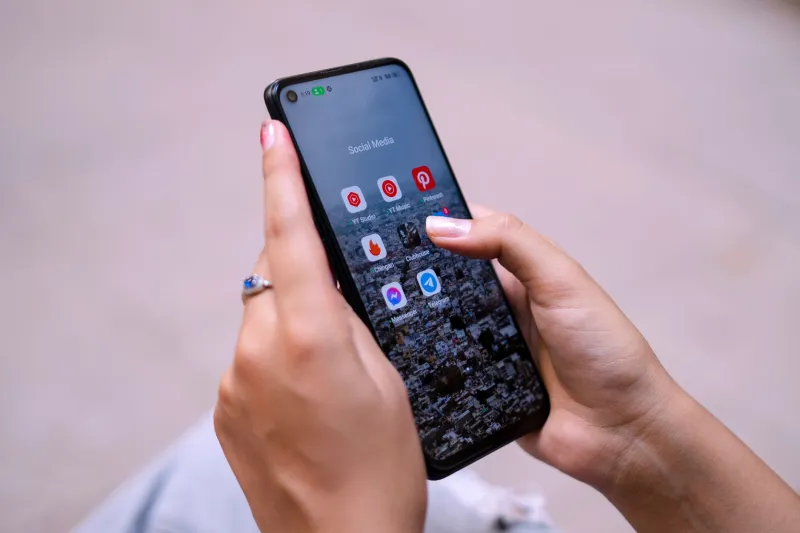
It happens fast. You're mid-scroll, tired, maybe already running late, and a notification pops up from a creator you've been following for three years. You don't tap it. You keep moving. And then — somewhere between locking your phone and pouring your coffee — you feel it. That low-grade, almost embarrassing guilt. Like you let someone down.
Except you didn't. Because they have no idea you exist.
This is the parasocial debt, and it's one of the more quietly bizarre emotional experiences of living online in 2024. It's not just that we like creators. It's that somewhere along the way, we started feeling responsible for them — their view counts, their engagement, their sense of being seen. And unpacking why that happens says a lot about what digital culture has done to the way we understand relationships.
How a Stranger Becomes Someone You Feel You Owe
Human brains weren't built for this. For most of human history, if you regularly heard someone's voice, watched their facial expressions, and knew details about their daily life, that person was close to you. A friend. A family member. Someone who'd notice if you disappeared.
Social media blew that wiring wide open.
When you follow a creator consistently — watching their morning routines, their breakdowns, their comeback arcs — your brain processes that repeated exposure the same way it would process a real relationship forming. Psychologists call this a parasocial relationship: a one-sided emotional bond where one party is deeply invested and the other is essentially a broadcast signal.
The tricky part? Creators have gotten incredibly good at making that signal feel personal. They say "you guys" like they're talking to a room they actually know. They remember callbacks from old videos. They share things that feel too raw to be content — and sometimes they are. The intimacy is real, even when the reciprocity isn't. And your nervous system, bless it, does not always catch the difference.
The Notification as a Social Obligation
There's a reason platforms send you push notifications when a creator you follow posts. It's not just algorithmic housekeeping — it's a nudge that mimics the social pressure of someone tapping you on the shoulder. Hey. They showed up. Are you going to?
That design choice is doing more psychological work than most people realize. Over time, consistent notifications from the same source start to feel less like updates and more like invitations. And ignoring an invitation — especially from someone who has, in your mind, let you in — carries social weight. Even if that weight is entirely manufactured.
Notification anxiety is a documented thing. That low-level hum of "I should check that" doesn't go away just because you know, rationally, that a YouTube creator with 800,000 subscribers won't notice your absence. Feelings aren't rational. That's kind of the whole problem.
The Math of Loyalty That Only Goes One Way
Here's where it gets a little uncomfortable. The parasocial debt doesn't just cost you time — it can quietly crowd out your actual relationships.
Think about it. The emotional bandwidth you spend worrying about whether a creator is okay after a vague, concerning post is bandwidth that isn't going to your actual friends. The hour you spend watching someone's vlog so you feel "caught up" is an hour you're not calling your sister back. The mental real estate occupied by a creator's drama, their feuds, their career pivots — that's space your brain is choosing to fill with someone who will never fill it back.
None of this makes you a bad person. It makes you a person who grew up in a media environment specifically engineered to manufacture closeness at scale. But recognizing the math matters, because one-sided emotional investments have a way of expanding to fill whatever room you give them.
When You Miss a Post and It Feels Personal
One of the strangest symptoms of parasocial debt is the guilt that comes from falling behind on someone's content. Miss a few weeks of a creator's uploads and there's this nagging sense that you've been a bad — what, exactly? Fan? Friend? Neither word quite fits, which is part of what makes this so hard to shake.
Some creators, intentionally or not, reinforce this. Language like "where have you been" in response to comments from returning viewers, or bits about "the loyal ones" who show up every week, quietly reward consistency and frame absence as a kind of disloyalty. It's effective. It's also a little manipulative, even when it's not meant to be.
And then there are the creators who go dark — who stop posting without explanation — and the audience response is genuinely grief-like. Not because anyone lost something real, but because the brain had been treating it as real all along. The content stops, and the relationship-shaped space it occupied doesn't just disappear.
Reclaiming Your Attention Without the Guilt Trip
None of this means you should feel bad for loving creators or caring about the people who make the content that genuinely enriches your day. Parasocial connections aren't inherently toxic. Some of them are genuinely meaningful in the ways that matter — they introduce you to ideas, help you feel less alone, make the commute bearable.
But there's a difference between enjoying something and feeling owned by it.
A few reframes that actually help: Start treating your follows more like subscriptions than relationships. You're not abandoning a friend when you unsubscribe from a newsletter that no longer fits your life. You're just redirecting your attention. Same principle applies here.
Turn off notifications for creators whose content you want to watch on your terms, not on a push schedule. The difference in how obligated you feel is almost immediate.
And the next time you feel that little guilt pang for skipping a post? Notice it. Name it. Recognize it as the very sophisticated product of a platform that profits from you feeling that way. Then decide, with your actual brain, whether you want to watch — or whether you'd rather use those twelve minutes for something that knows your name.
The Real Relationship in the Room
The parasocial debt is a weird, modern, deeply human problem. It's not a character flaw to have caught feelings for a creator who doesn't know you exist. It's just proof that you're wired for connection, and that the internet figured out how to hack that wiring before most of us had time to think about what we were consenting to.
You don't owe anyone your attention. Not the algorithm, not the platform, and not the stranger on your screen who makes you feel like a friend. The only people you actually owe something to are the ones who'd notice if you went quiet.
Start there.