When the Creator You Loved Becomes a Stranger: The Very Real Pain of a One-Sided Breakup
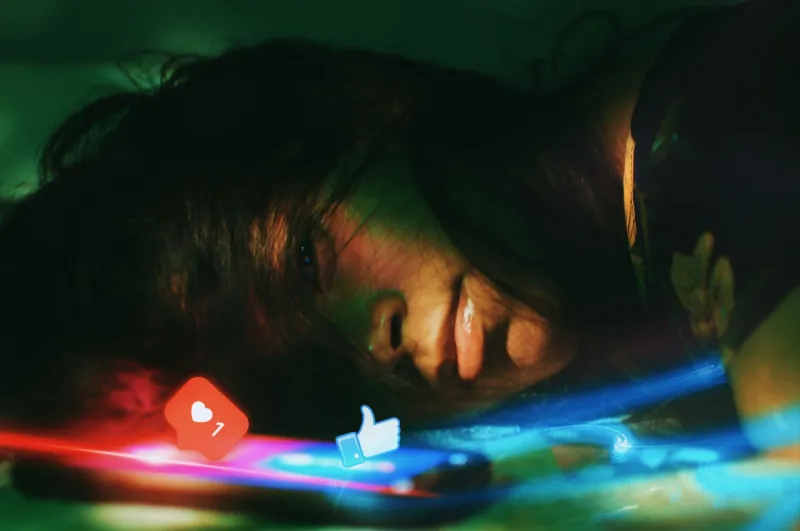
There's a specific kind of hurt that doesn't have a clean name yet. It's not heartbreak in the traditional sense. It's not grief, exactly. But it sits somewhere in that neighborhood — heavy, disorienting, and weirdly embarrassing to explain out loud. You watched someone's videos every single day for two years. You knew their dog's name, their mom's personality, their complicated feelings about their hometown. And then something happened — a scandal, a shift in content, a side of them you never expected — and now you don't know what to do with all of that familiarity.
Welcome to the parasocial breakup. It's one of the most common emotional experiences of the digital age, and we're still barely talking about it honestly.
The Intimacy That Was Never Mutual
Here's the thing about following a creator closely: the relationship genuinely does feel reciprocal, even when it structurally isn't. When someone films themselves crying in their car, walks you through their morning routine, or rants about their family drama over a cup of coffee — that's intimate content. It feels like a conversation, even if you're just sitting on your couch watching through a screen.
Psychologists call this a parasocial relationship — a one-sided emotional bond where one person invests real feelings into someone who doesn't know they exist. The term has been around since the 1950s, originally applied to TV personalities, but the internet has turbocharged it into something far more intense. Unlike a sitcom character, today's creators talk directly to you. They say "you guys" and mean it. They read comments, respond to DMs, and build entire content ecosystems designed to make you feel like you're part of their world.
And here's the uncomfortable truth: that feeling isn't entirely manufactured. The connection is real on your end. The investment is real. The care is real. The problem is that it was never a two-way street, even when it felt like one.
The Algorithm's Role in All of This
You can't talk about parasocial attachment in 2024 without talking about the algorithm, because the algorithm is basically a relationship accelerant. It doesn't just show you a creator once or twice — it saturates your feed with them. It figures out that you respond to their content and then serves it to you constantly, at a frequency that would feel overwhelming in any real-world friendship.
Think about it: if a person you barely knew started showing up in your life six, seven, eight times a day — sharing their opinions, their emotions, their personal updates — you'd either become extremely close or extremely overwhelmed. Online, the algorithm makes that choice for you. It keeps pushing the content, and your brain keeps responding, until somewhere along the way a genuine emotional attachment forms.
That's not a flaw in the system. That's the system working exactly as intended. Engagement is the goal, and emotional investment drives engagement. The fact that it sometimes creates real psychological stakes for real people is, from a platform perspective, a side effect they're not particularly motivated to address.
When the Illusion Cracks
The parasocial breakup usually happens one of a few ways. Sometimes a creator gets caught in a scandal — old tweets resurface, a former collaborator speaks out, or they say something in a livestream that reveals a worldview you can't reconcile with the person you thought you knew. Sometimes it's slower: their content changes, they chase a different audience, they start feeling like a brand instead of a person. And sometimes it's even subtler than that — they just seem different now, and you can't quite put your finger on why.
In any of these cases, the emotional fallout can be genuinely jarring. People describe it as feeling betrayed, confused, even a little foolish for caring so much. There's a social stigma attached to admitting you're hurt over a creator you never actually met, which means a lot of people process this grief privately and without much support.
But the feelings are valid. You didn't imagine the connection — you just didn't have the full picture of who was on the other side of it.
The False Sense of Ownership
One of the more complicated layers of the parasocial breakup is the entitlement that sometimes comes bundled with deep fandom. When you've followed someone through their highs and lows, watched them build something from nothing, and felt genuinely invested in their success, it can start to feel like you have a stake in who they are and what they do.
This is where things get thorny. Fans who feel betrayed sometimes respond by trying to hold creators accountable — which can be legitimate, especially in cases of actual harm. But other times, the reaction is about something more personal: a sense that the creator owes them a particular version of themselves. That they don't get to change, grow, pivot, or disappoint. That the intimacy of the relationship entitles the audience to a kind of permanence.
It doesn't. And recognizing that is part of what makes the parasocial breakup so emotionally complicated. You have to mourn the version of someone you thought you knew while also accepting that you never fully knew them — and that they never belonged to you in the first place.
How to Actually Process It
Giving yourself permission to feel bad about this is step one. It sounds simple, but a lot of people skip it because they're too busy being embarrassed about the fact that they feel anything at all. You don't have to defend the depth of the connection to anyone, including yourself. You felt something, and now it hurts. That's allowed.
Step two is a little more practical: audit your relationship with the content itself. Are you still watching out of habit, hoping the creator will go back to who they used to be? Are you rage-watching, staying engaged even though it makes you feel worse? Sometimes the healthiest thing you can do is just... stop. Unfollow, mute, let the algorithm eventually figure out you've moved on.
And step three — the one that's easy to skip — is thinking about what the attachment was actually giving you. Were you watching because it filled a social void? Because the content made you feel understood in a way your real-life relationships didn't? That's not a judgment; it's a question worth sitting with. Parasocial relationships aren't inherently unhealthy, but they can become a substitute for things that are better found in the real world.
You're Not Alone in This
If you've ever felt genuinely gutted by a creator's scandal, or quietly mourned the old version of someone whose content you used to love, you're not weird. You're not overly sensitive. You're a person who formed a real emotional response to a very intentionally intimate form of media — and then had to reckon with the limits of what that media can actually offer.
The parasocial breakup is one of the defining emotional experiences of being online right now. It's just that most of us are going through it alone, in the comments section, pretending we're fine.