They Replied to Your Comment — And Now Everything Feels Different
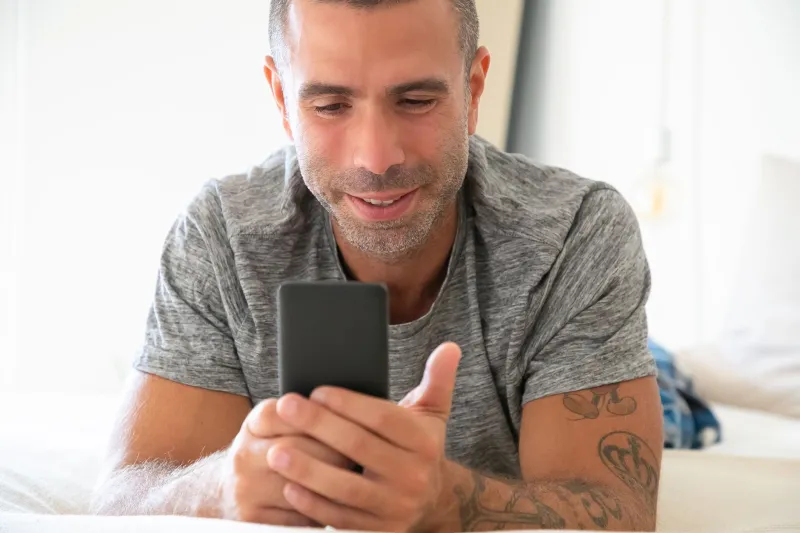
You've been watching the same creator for two years. You know their coffee order, their dog's name, the specific way they laugh when something genuinely catches them off guard. You've left maybe a dozen comments — some thoughtful, some just a string of emojis — and gotten exactly nothing back. Then one Tuesday afternoon, out of nowhere, they reply. Not a generic heart. An actual sentence, addressed to you.
For a lot of fans, that moment hits harder than it probably should. And increasingly, it's happening more often.
The Algorithm Shift That Changed Everything
For the better part of the last decade, social platforms were essentially optimized around one thing: passive consumption. The feed was king. You scrolled, you watched, you moved on. Engagement metrics mattered, but the conversation itself? That was mostly set dressing.
That's starting to change. Platforms like YouTube, TikTok, and Instagram have all made public moves toward prioritizing what they're calling "community features" — comment threads, channel memberships, broadcast channels, close friends lists. The pitch to creators is straightforward: build a community, not just an audience, and you'll have something the algorithm can't take away from you overnight.
The result is that a growing number of creators are actually showing up in their own comment sections. Not just to manage PR crises or respond to viral callouts, but to genuinely participate.
What Creators Are Actually Doing Down There
Talk to creators about their comment sections and you get two very different stories depending on their size.
Smaller creators — the ones with followings in the tens of thousands rather than the millions — tend to describe comments as a lifeline. "It's the only way I know if something actually landed," said one lifestyle creator based out of Nashville who posts primarily about sustainable fashion. "Analytics tell me how long someone watched. Comments tell me if they cared."
For bigger names, the relationship is more complicated. Comment sections at scale are chaotic ecosystems — part fan club, part debate forum, part place where people say things they'd never say to someone's face. Several creators with audiences in the millions described a strategy of "selective surfacing": using platform tools to filter for genuine questions or thoughtful responses and engaging specifically with those, while letting the noise exist without feeding it.
What almost everyone agrees on is that the comment section has become a creative resource. Creators are mining replies for video ideas, using questions as content prompts, and paying close attention to which specific moments in a video generate the most response. "My audience basically writes my editorial calendar at this point," one creator admitted. "I just have to actually read what they're saying."
The Fan Side of a Two-Way Street
Here's where it gets psychologically interesting. Research into parasocial relationships — the one-sided emotional bonds people form with media figures — has traditionally focused on the "one-sided" part. You feel connected to them; they don't know you exist. That asymmetry is baked into the whole dynamic.
But when a creator actually responds, that asymmetry cracks, even if only slightly. And the effect on fans can be disproportionately large.
Psychologists who study media engagement have noted that even minimal direct interaction — a reply, a username shoutout, a pinned comment — can significantly deepen a fan's sense of connection and loyalty. It's not delusional. It's just how human brains process acknowledgment. Being seen by someone you admire activates the same social reward circuits as being seen by anyone else.
The tricky part is what happens next. Once a creator starts engaging, fans recalibrate their expectations. The relationship, at least in the fan's mind, has moved into new territory. That can be beautiful — communities built around genuine dialogue are often the most passionate and durable ones on the internet. But it can also create pressure, entitlement, and disappointment when the replies slow down or stop.
The Emotional Labor Nobody Talks About
For creators, showing up in the comments isn't free. It costs time, obviously, but it also costs something harder to quantify.
Reading comments means reading everything — the kind words and the cruel ones, the parasocial oversteps and the genuine moments of connection. Multiple creators described developing systems to protect themselves: time-limited comment sessions, a rule about never reading comments right before bed, trusted friends who pre-screen particularly toxic threads.
"There's this expectation that if you're a creator, engagement is just part of the job," one mid-size creator said. "And it is. But nobody talks about what it's like to read a hundred comments about your face or your voice or your choices before you've even had breakfast."
The creators who seem to thrive in this new comment-forward landscape are the ones who've figured out how to engage on their own terms — showing up with intention rather than obligation, and being honest with their audiences about where those limits are.
What It Actually Means When They Reply
So when your favorite creator drops into your comment with a genuine response, what does it mean? Probably a few things at once.
It means the platform they're on has given them some incentive — financial, algorithmic, or both — to prioritize that kind of interaction. It means they've made a deliberate choice to show up that day. And yes, in many cases, it means your comment was actually good enough to warrant a response, which is its own small thing.
What it doesn't necessarily mean is that you have a friendship, or that the asymmetry has fully dissolved. The creator still has thousands of other people in their mentions. You still know far more about them than they know about you.
But here's what's real: the internet is slowly, imperfectly, figuring out how to make content feel less like a broadcast and more like a conversation. That's worth something. And if you've ever had a creator reply to your comment and felt that weird little jolt of being seen — you're not imagining it. That's just what connection feels like, even when it's small, even when it's digital, even when it's new.