Perfectly Imperfect: The Calculated Business of Selling 'Realness' Online

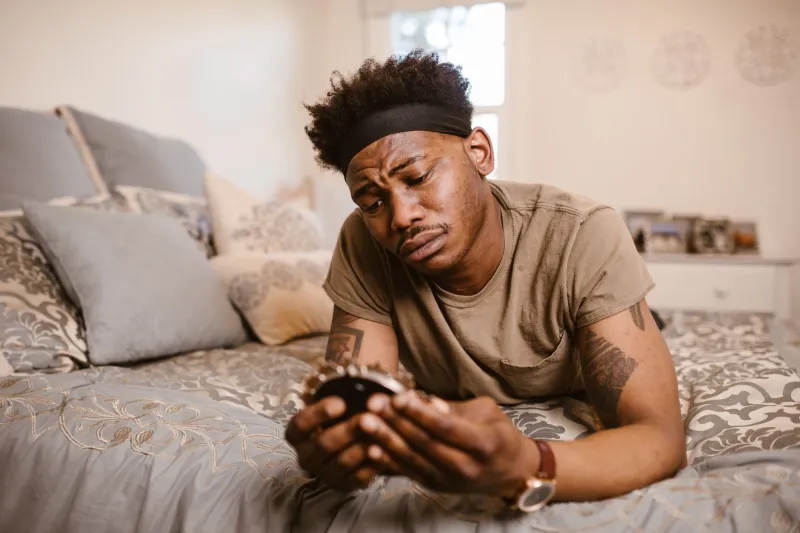
Photo by Photo by Omar Lopez on Unsplash on Unsplash
There's a specific kind of video you've probably seen a hundred times by now. A creator sits in their car, eyes a little red, voice cracking just slightly. No ring light. No branded backdrop. They start with something like, "I wasn't going to post this, but..." — and then proceeds to deliver a perfectly paced emotional monologue that lands in your feed like a gut punch.
It feels real. It feels raw. And somewhere in the back of your brain, a quiet alarm should be going off.
Because here's the thing: that video was probably filmed twice.
The Aesthetic of Unfiltered
The hunger for authenticity online isn't new — but the way creators have learned to manufacture it is increasingly sophisticated. What started as a genuine backlash against the overly polished, aspirational content of early Instagram has quietly evolved into its own visual and emotional language. Messy buns, dim lighting, shaky camera work, unprompted crying — these aren't accidents. They're a brand kit.
Call it the authenticity aesthetic. It's the content equivalent of a fast fashion company selling "vintage-inspired" pieces. The vibe is real; the origin story, not so much.
Creators aren't necessarily being malicious here. The pressure to perform vulnerability comes from the platforms themselves. Algorithms on TikTok and YouTube Shorts consistently reward content that drives emotional engagement — comments like "this made me cry" or "I needed this today" are engagement gold. So creators learn, consciously or not, to shape their messiest moments into the most shareable versions of themselves.
The result is a strange feedback loop: audiences reward emotional openness, platforms amplify it, and creators refine it — until "unfiltered" becomes its own filter.
The Monetization of the Mess
There's real money in relatability. Sponsored posts tagged with "my honest thoughts" or brand deals dropped inside a "storytime" about a personal struggle have become standard practice. Some creators have built entire business models around the idea that their audience trusts them because they seem so real.
And that trust is valuable — sometimes more valuable than a celebrity endorsement. A 2023 study by Influencer Marketing Hub found that micro-influencers (creators with under 100K followers) consistently outperform mega-celebrities in engagement rates precisely because their audiences believe the relationship is genuine.
But when a creator cries on camera and then pivots to a discount code for a skincare brand, something complicated happens to that trust. It doesn't necessarily break — audiences are smarter than they're given credit for, and many have made a kind of peace with the commercial reality of the creator economy. But it does shift the dynamic. Vulnerability becomes a product. And once that transaction is visible, the intimacy starts to feel a little different.
Some creators are remarkably candid about this. Lifestyle vlogger and podcast host Jenna Moreci once described the process of deciding which personal struggles to share publicly as a form of editorial curation — not dishonesty, but a deliberate choice about what serves the audience and what stays private. That's a healthier framing than pretending the whole thing is spontaneous. But it's also a reminder that even the most "open" creators are managing a brand.
Why We Want to Believe
So why do audiences keep buying the illusion, even when they know it's at least partly constructed?
Psychologists point to something called parasocial interaction — the one-sided emotional bonds people form with media figures. When a creator shares something that feels personal, your brain processes it similarly to how it would process a confession from a friend. The warmth is real, even if the relationship is technically fictional.
In a culture that's increasingly fragmented and isolating, that simulated closeness fills a genuine gap. People aren't stupid for wanting connection. They're human. And creators who tap into that need aren't necessarily exploiting their audiences — but they are operating in a space where the line between community-building and emotional manipulation can get blurry fast.
The more concerning dynamic is when audiences need to believe the performance is real to feel okay. When the revelation that a creator's breakdown was their second take feels like a personal betrayal. That's where the parasocial bond stops being a casual entertainment relationship and starts functioning like something that requires a little more critical self-awareness.
What Real Actually Looks Like
Here's the uncomfortable truth: genuine connection online does exist. It's just quieter.
It tends to show up in the smaller creators who haven't yet optimized their pain for the algorithm. In the comment sections where people share things they haven't told anyone else. In the live streams where nothing goes right and the creator just laughs about it without cutting away. In the follow-up video six months later where someone admits the thing they said before was more complicated than they let on.
Real moments online aren't always emotionally tidy. They don't always resolve. They don't come with a brand deal attached.
The paradox at the center of all this is that the more the industry rewards the performance of authenticity, the harder it becomes to recognize the actual thing. Audiences are developing a kind of emotional callus — a learned skepticism that makes it harder to receive genuine vulnerability when it does show up.
That's maybe the biggest cost of the authenticity economy: not that creators are being fake, but that the constant performance of realness is slowly eroding our ability to tell the difference.
So What Do We Do With This?
You don't have to stop watching. You don't have to become a cynical consumer who dissects every emotional moment for signs of inauthenticity. That sounds exhausting and kind of joyless.
But holding a little space between yourself and the content — remembering that even your favorite creator is running a business, that vulnerability can be both genuine and strategic, that entertainment and intimacy aren't the same thing — that's not cynicism. That's just media literacy with a little self-respect built in.
The creators worth your loyalty are probably the ones who aren't working that hard to convince you they're real. The ones who just... are. Even if that's a little harder to find in the algorithm.
Your feed is yours. Curate accordingly.